- Home
- Radiators Manufacturing
Radiators Manufacturing
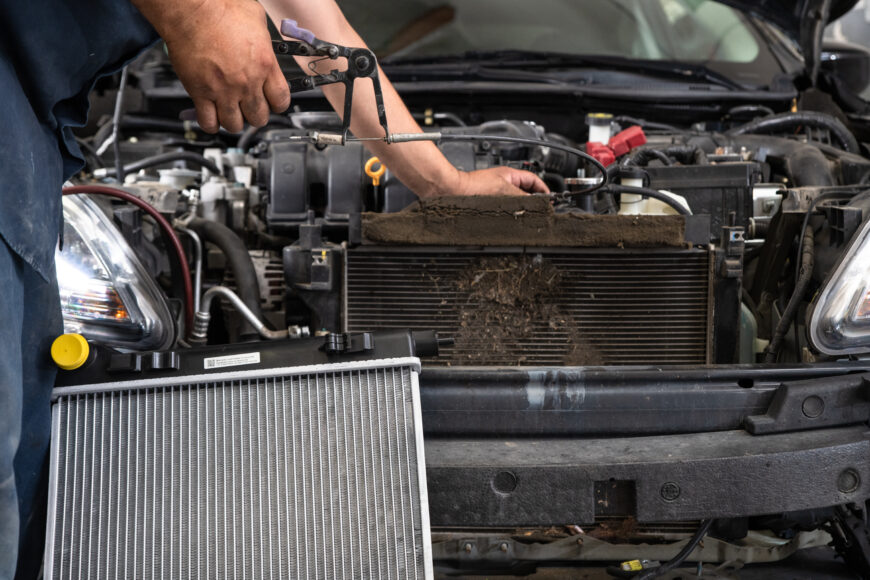
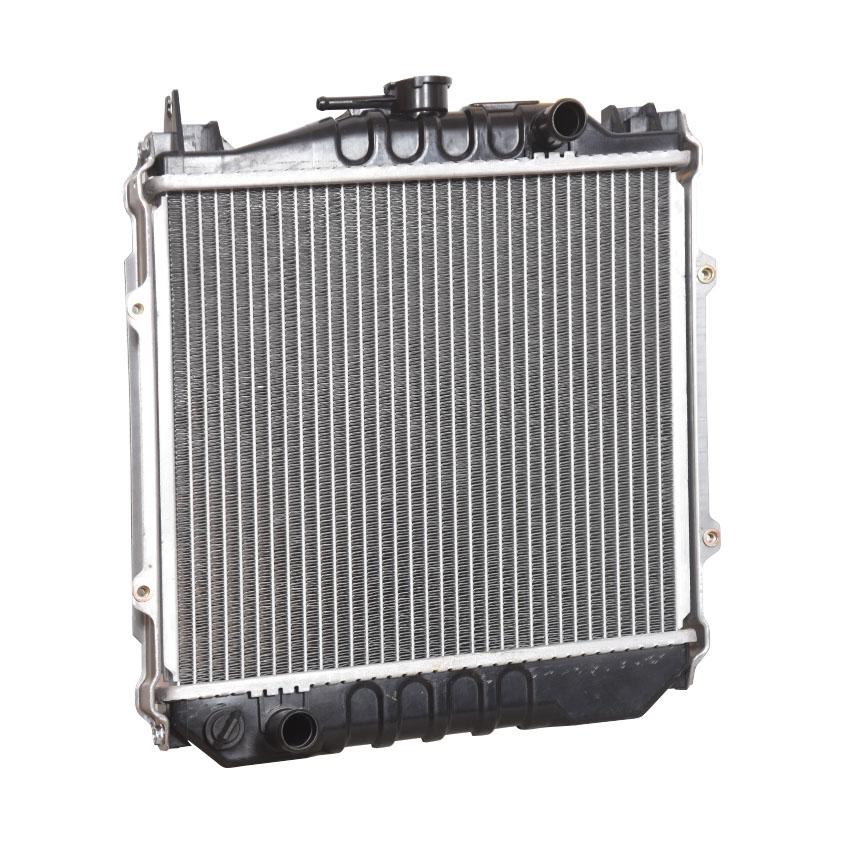
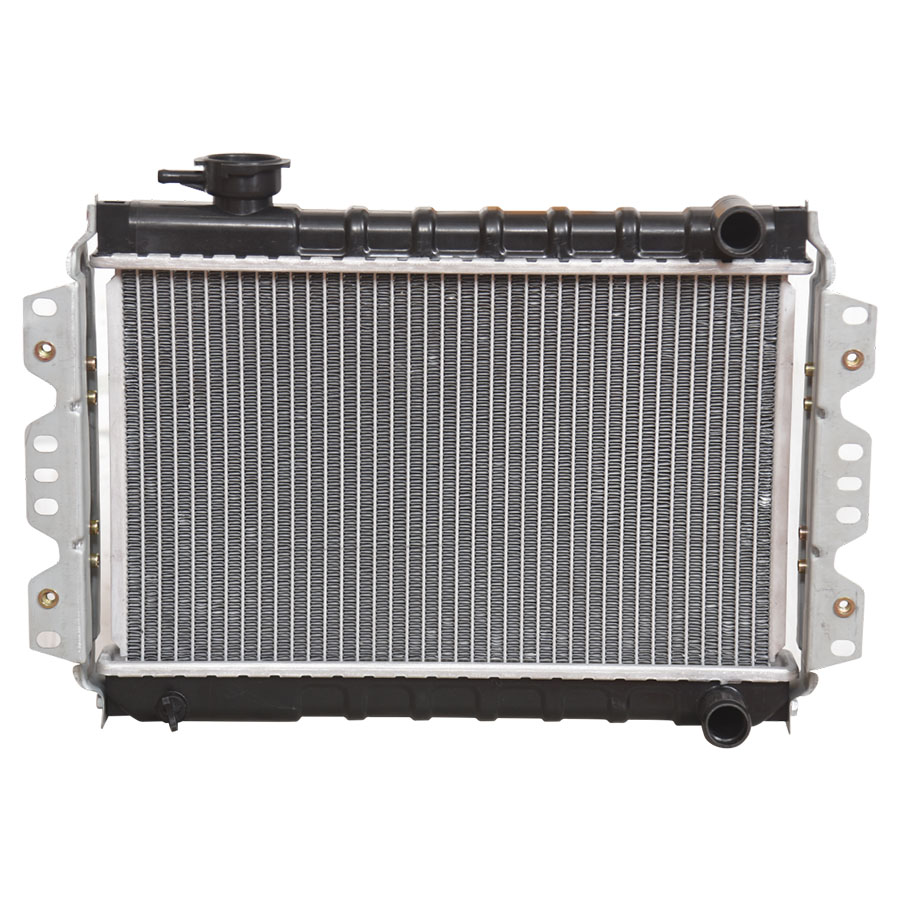
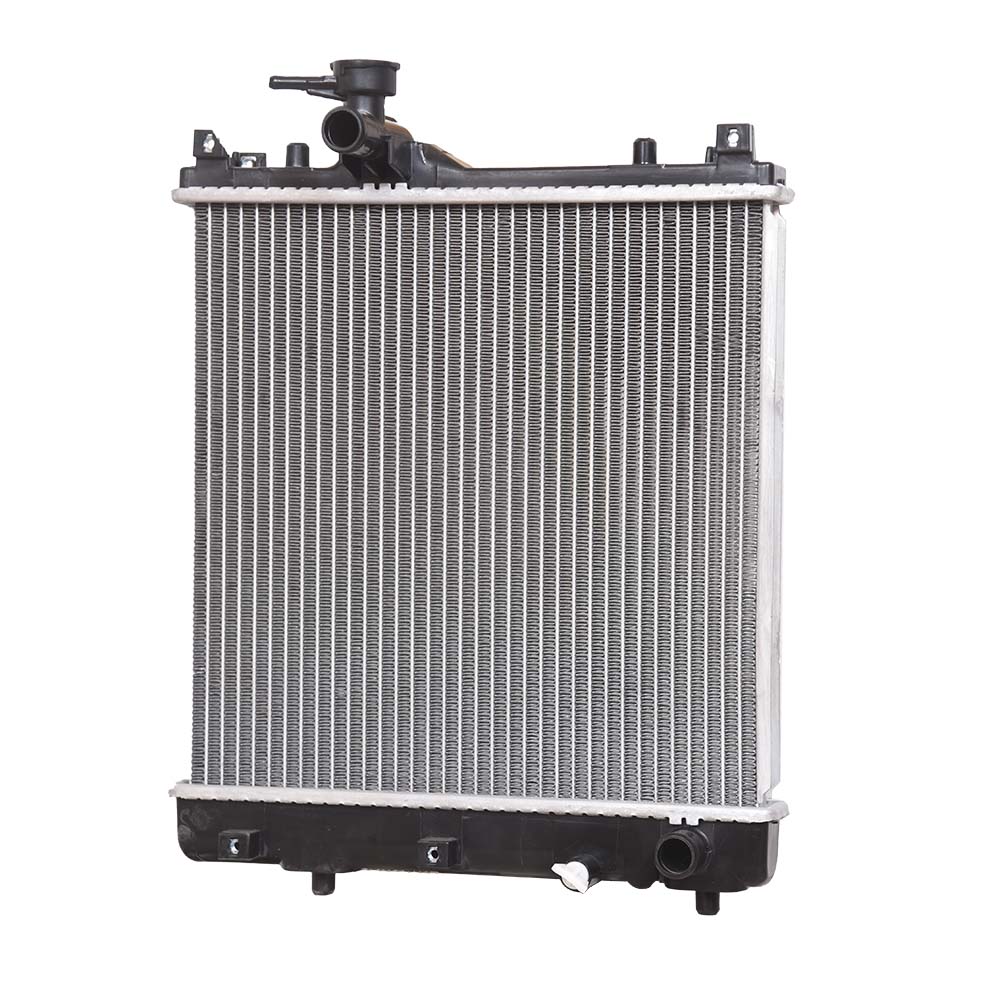
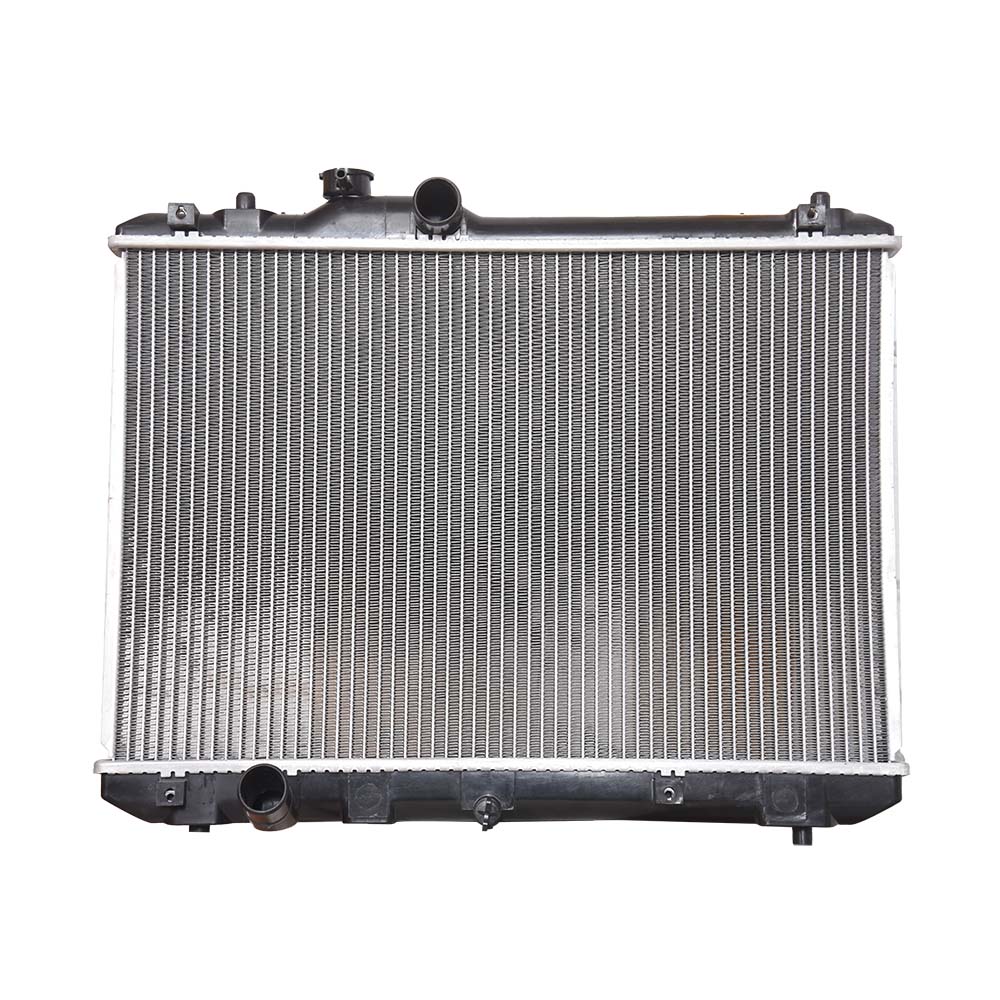
Manufacturing radiators involves several key features to ensure efficiency, reliability, and performance
Material Selection: Radiators are typically made from materials like aluminum, copper, or a combination of both. The choice of material depends on factors such as thermal conductivity, weight, and cost.
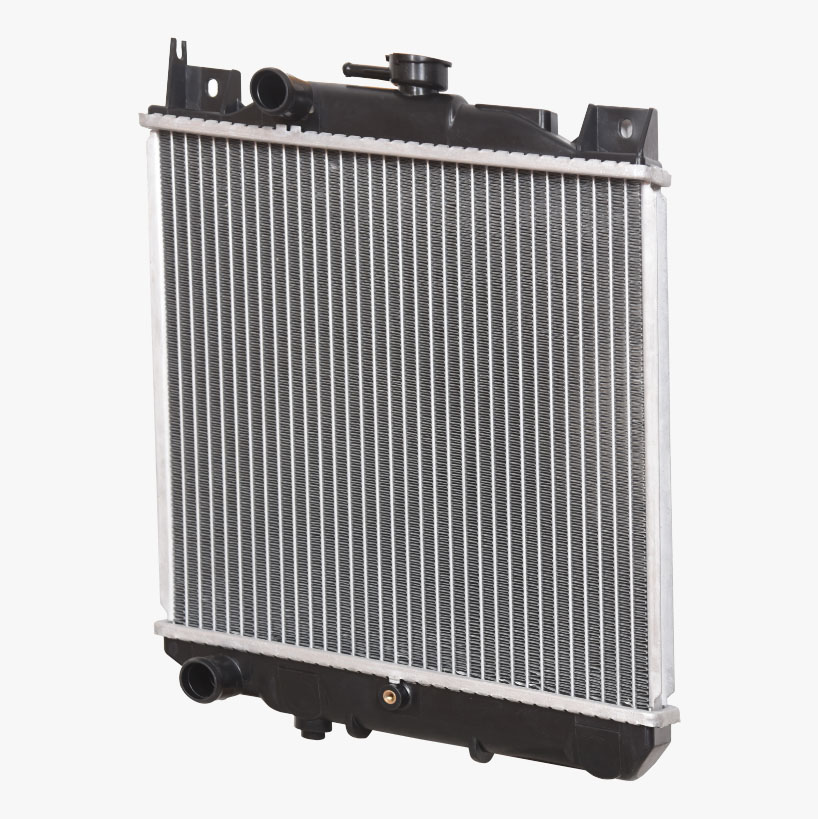
Core Design: The core of the radiator, where heat exchange occurs, is typically made of stacked aluminum fins and tubes. The design of these cores affects the radiator’s cooling capacity and efficiency.
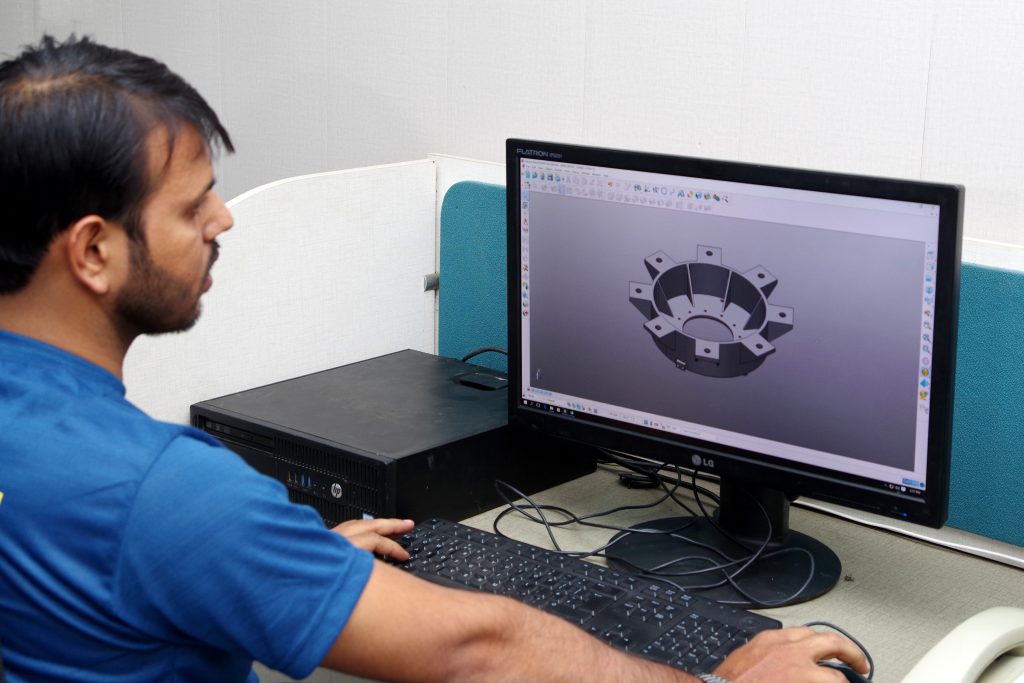
Welding and Brazing: Joining techniques like TIG (Tungsten Inert Gas) welding or brazing are used to connect the tubes and fins securely, ensuring proper heat transfer and structural integrity.
Tank Construction: Radiators have tanks on the top and bottom to hold coolant. These tanks are usually constructed from molded plastic or fabricated from aluminum, and they need to be leak-proof and durable.
Fin Formation: Fins are often formed using specialized machinery that presses or stamps aluminum sheets into the desired shape. The fin density and configuration influence airflow and heat dissipation.
Tube Formation: Tubes are either extruded or formed from flat stock. They must have precise dimensions to ensure proper fit and optimal coolant flow.
Pressure Testing: Radiators undergo pressure testing to ensure there are no leaks in the core, tanks, or joints. This involves subjecting the radiator to pressures higher than normal operating conditions to identify any weak points.
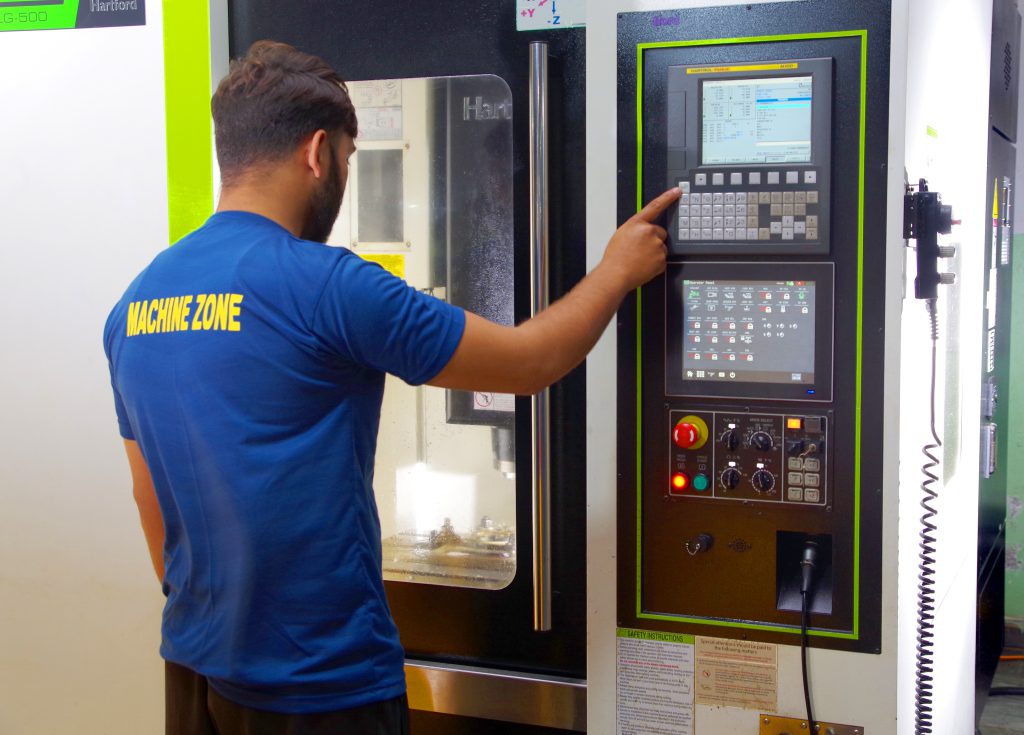
Painting and Coating: Radiators may be painted or coated for corrosion resistance and aesthetics. Powder coating or painting processes are used, with considerations for heat resistance and compatibility with coolants.
Quality Control: Rigorous quality control measures are implemented throughout the manufacturing process. This includes inspections of raw materials, dimensional checks, pressure tests, and performance testing to meet industry standards and customer specifications.
Environmental Considerations: Manufacturers may implement eco-friendly practices such as recycling scrap materials, using water-based coatings, or minimizing energy consumption during production to reduce environmental impact.
Customization: Some manufacturers offer customization options for radiators, allowing customers to choose specific sizes, configurations, or materials to suit their vehicle requirements or performance preferences.
Packaging and Distribution: Radiators are typically packaged securely to prevent damage during transportation. Efficient distribution networks ensure timely delivery to automotive assembly plants or aftermarket retailers.
These key features ensure that car radiators meet the stringent requirements of modern automotive cooling systems, providing reliable performance and durability under varying operating conditions.
Efficency
Quality
Customization
How We Achieve Quality production of radiators?
Quality control is a critical aspect of car radiator manufacturing to ensure that radiators meet stringent industry standards and perform effectively in cooling automotive engines.
- Material Inspection
- Brazing Inspection
- Assembly Inspection
Here’s how we implement quality control in the manufacturing process of car radiators:
Incoming Material Inspection: The quality control process often begins with inspecting incoming raw materials such as aluminum, copper, plastic tanks, and other components. This involves verifying material specifications, dimensions, and visual appearance to ensure they meet the required standards.
Component Fabrication Inspection: During the fabrication of radiator components such as fins, tubes, and tanks, quality control measures are employed to monitor the manufacturing processes. This includes checks for dimensional accuracy, surface finish, and material integrity.
Welding and Brazing Inspection: Radiator cores are typically assembled by welding or brazing tubes to fins. Quality control technicians inspect welds and brazes to ensure they meet strength requirements and are free from defects such as cracks, porosity, or incomplete penetration.
Core Assembly Inspection: Assembling the core involves stacking fins and tubes to form the heat exchange structure. Quality control checks ensure proper alignment, spacing, and integrity of the core assembly to optimize heat transfer efficiency.
Pressure Testing: Radiators undergo pressure testing to verify the integrity of welds, joints, and seams. This involves pressurizing the radiator with air or water to levels higher than normal operating conditions to detect any leaks. Pressure testing ensures that radiators can withstand the pressures and stresses encountered during operation.
Dimensional Checks: Throughout the manufacturing process, dimensional checks are performed to ensure that radiators meet specified tolerances and fitment requirements. This includes measuring critical dimensions such as overall size, tube spacing, and inlet/outlet positions.
Surface Finish Inspection: Radiator components may undergo surface treatments such as painting or coating for corrosion resistance and aesthetics. Quality control checks ensure that surface finishes meet specified standards for appearance, adhesion, and durability.
Performance Testing: Radiators are subjected to performance testing to evaluate their cooling capacity and efficiency. This may involve testing radiators under simulated operating conditions using test rigs or actual engine testing. Performance parameters such as coolant temperature reduction and airflow resistance are measured to ensure optimal radiator performance.
Final Inspection: Before packaging and shipping, radiators undergo a final inspection to confirm that they meet all quality requirements and specifications. This includes visual checks, functional tests, and documentation verification to ensure compliance with customer and regulatory standards.
Traceability and Documentation: Quality control processes are supported by comprehensive documentation and traceability systems. Records of inspections, tests, and quality-related activities are maintained to provide traceability and facilitate analysis of quality data for continuous improvement.
Crafting radiators isn’t just about cooling engines; it’s about engineering reliability, precision, and excellence, one fin, one weld, at a time.!
Machine Zone
By implementing rigorous quality control measures throughout the manufacturing process, car radiator manufacturers can produce radiators that meet high-quality standards, ensuring reliable performance and durability in automotive applications.
Key Features
Contact us
IF YOU ARE INTERESTED IN A PROJECT OR JUST NEED SOME QUESTION
- Wyeth Housing Society Road, off riaiwind road near coca cola lahore.
If you have any questions let us know
Do you have any questions? Write and our specialists will answer you.